
Best Pellet Grills
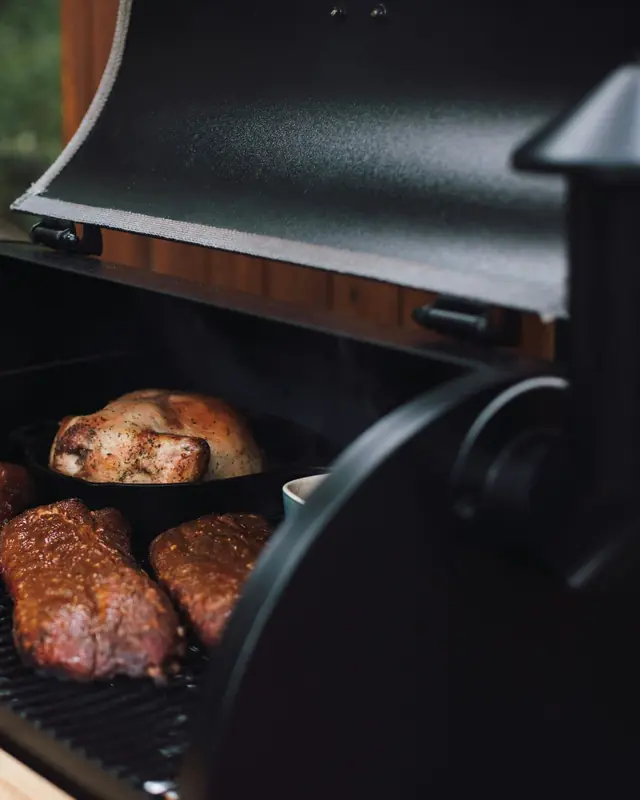
A pellet grill feeds hardwood pellets into a fire pot and holds the temperature you set, which makes long smokes far easier than tending charcoal. The big decisions are how well the controller holds heat, how much food fits, and whether it can sear as well as smoke. This guide is for backyard cooks buying a first pellet grill or replacing an old one.
Jump to section
What we look for
Temperature control
the controller decides how steadily the grill holds the temperature you set, which is the whole point of a pellet grill.
Primary cooking area
primary area is the grate space at full heat; it is the honest measure of how much fits.
Hopper capacity
a bigger hopper means fewer refills during an overnight cook.
Build and insulation
thicker steel, tight lids and good seals help in cold or windy weather.
Wi-Fi and app control
app control lets you watch and adjust the cook from indoors, which matters on long smokes.
Searing ability
pellet grills smoke well but many struggle to sear; a high maximum or a sear zone fixes that.
- Sources: manufacturer product pages and manuals, warranty terms, and the USDA FSIS smoking guidance for what a smoker must be able to do.
How to choose the right pellet grill
Pellet grills look alike from across the yard. These six specs separate them. If you are new to them, our guide how pellet grills work explains every part, and pellet grill vs gas grill helps if you are still deciding on fuel.
Temperature control
Check the controller type in the spec table. Makers label their controllers as PID, digital or multi-position; a PID controller is designed to adjust the pellet feed continuously to stay close to the set point, while simpler controllers run on fixed timing. Also check the listed temperature range: for low-and-slow cooking, USDA guidance is to keep the smoker's air temperature between 225 and 300°F for the whole cook (USDA FSIS), so the bottom of the range matters as much as the top.
Primary cooking area
Compare primary cooking area, not total. Total area includes upper warming racks that sit farther from the heat. Think about your largest cook: a whole packer brisket, several racks of ribs or a turkey. If the primary grate cannot hold it flat, the total figure will not help.
Hopper capacity
The hopper holds the pellets the auger feeds to the fire. Pellet use varies by model, weather and temperature, so we take burn figures only from the maker's own manual, never from estimates. A larger hopper matters most for long, unattended cooks; a small hopper is fine for weeknight grilling and is part of what keeps portable models light.
Build and insulation
Look at body material, lid fit and whether the maker sells an insulation blanket for the model. Read what the manual says about rain and outdoor storage too. Traeger, for example, states its grill is protected from water spray less than 60 degrees from vertical (Traeger), which is a spec, not a promise of weatherproofing. A cover is cheap insurance.
Wi-Fi and app control
Wi-Fi models let you change the temperature and read meat probes from your phone. Check whether the app needs an account or a subscription, whether the grill still works fully from its own control panel, and the maker's stated range for Bluetooth-only models. If you already own a wireless thermometer, you may not need it built in.
Searing ability
Check the listed maximum temperature and whether the model has a direct-flame sear zone, a sear slide or a separate sear box. If you cook steaks and burgers as often as brisket, this criterion moves to the top of the list.
Tips for using your pellet grill
- Keep a food thermometer in the meat as well as the grill's own probe. USDA FSIS advises two thermometers when smoking, one for the food and one for the smoker's air temperature (USDA FSIS).
- Plan for power: a pellet grill needs electricity for its controller, igniter, auger and fan (Traeger), so check where your outdoor outlet is before you buy.
- Store pellets somewhere dry and follow the storage advice in your grill's manual.
- Cook to temperature, not time. See our grilling temperature chart for the USDA numbers.
FAQ
How does a pellet grill work?
An auger pulls hardwood pellets out of the hopper and drops them into a fire pot. A hot rod ignites them, a fan moves heat and smoke around the chamber, and the digital controller keeps working to hold the temperature you set (Traeger).
Do pellet grills need electricity?
It does. Without power the controller, igniter, auger and fan all stop, so put an outlet or another suitable supply within reach of the grill (Traeger).
What temperature should a smoker run at?
USDA FSIS recommends keeping the air inside a smoker between 225 and 300°F from the first hour to the last (USDA FSIS).
How do I know smoked meat is done?
Probe the meat instead of watching the clock. The numbers are 145°F with a 3-minute rest for whole cuts of beef, pork and lamb, 160°F for anything ground and 165°F for every kind of poultry (USDA FSIS; FoodSafety.gov).
Related
-
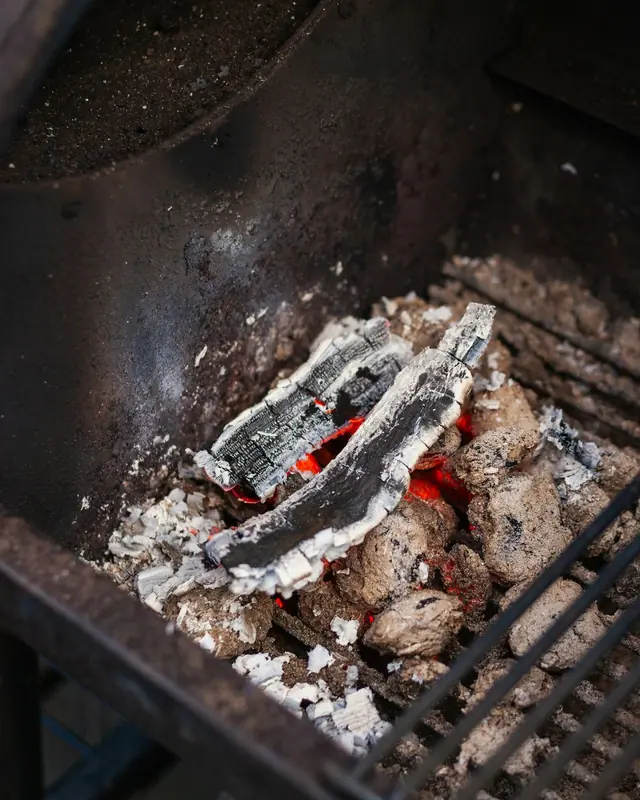
Buying guide
Best Smokers for Every Budget
Offset, vertical, electric and pellet smokers, matched to how much you want to tend the fire.
-
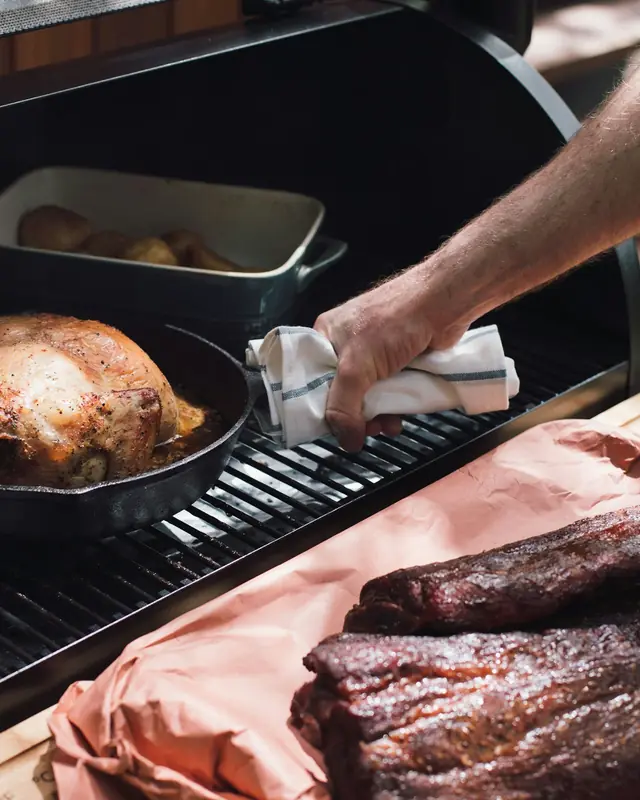
Comparison
Pellet Grill vs Gas Grill: Which Should You Buy?
Smoke and set-and-forget control, or fast heat and easy searing.
-
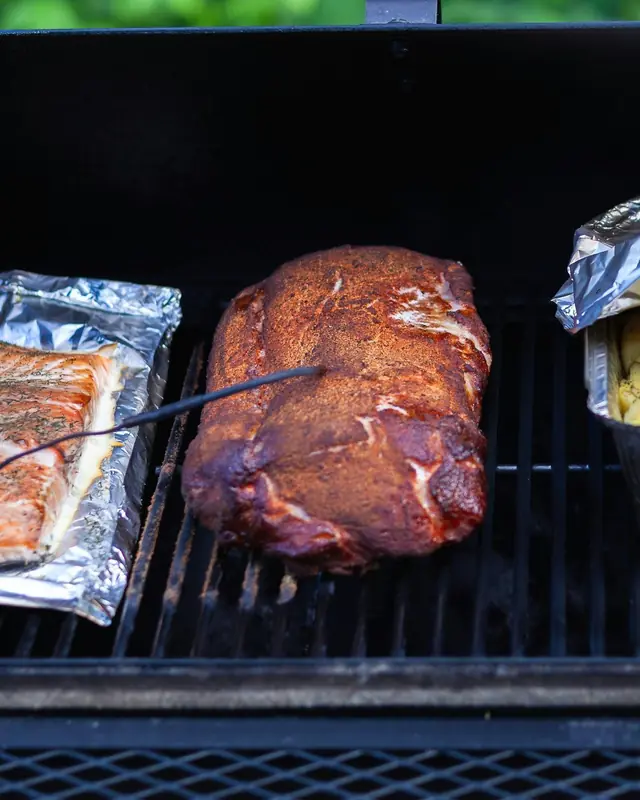
Buying guide
Best Wireless and Bluetooth Meat Thermometers
Leave-in probes compared on range, probe count, ambient sensors and battery.
-
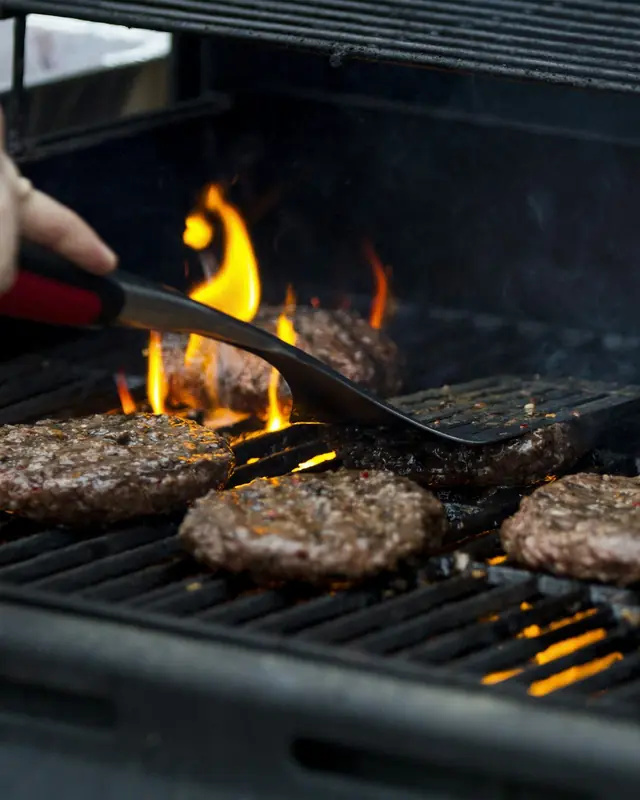
Buying guide
Best Gas Grills
Burners, cooking area, grates and warranty for propane and natural gas grills.
-
Guide
How Pellet Grills Work (and Who They're Right For)
The parts, the power requirement and who a pellet grill suits.
-
Guide
Grilling Temperature Chart: Safe Internal Temperatures for Every Meat
The USDA numbers for every meat, poultry and seafood, with rest times.


Get the Grill-Side Card
A printable card with the USDA safe temperatures and an 8-point pre-cook safety check. It costs nothing and is sized to stick on the fridge.