
Best Outdoor Griddles and Flat Tops
An outdoor griddle is a big, flat steel cooktop over gas burners. It does breakfast, smash burgers, fried rice and anything small enough to fall through a grill grate. The decisions are size, number of heat zones, how it handles grease and whether you need a lid. This guide is for cooks adding a flat top to the patio or the tailgate kit. Because it runs on gas, it follows the same placement and leak-check rules as a gas grill, which our gas grill guide covers in more detail.
Jump to section
What we look for
Cooktop size and heat zones
each burner is a heat zone; more zones let you sear on one side and keep food warm on the other.
Cooktop material and thickness
the plate does all the cooking; its steel and thickness decide how evenly it heats.
Grease management
a griddle makes more grease than a grill, and grease buildup is a fire risk.
Lid or hood
a lid protects the cooktop between cooks and lets you steam or melt cheese.
Portable or cart model
tabletop griddles travel; carts give you prep space and storage.
Wind protection
wind steals heat from an open flat top and can blow out burners.
- Sources: manufacturer product pages, manuals and warranty terms, plus NFPA guidance on placement, grease and leak checks.
How to choose the right outdoor griddle
Size first, then grease handling and the lid. Not sure you need a griddle at all? Read griddle vs grill.
Cooktop size and heat zones
Griddles are usually sold by width, from small tabletop models to 36-inch carts. Compare the listed cooking surface and burner count. Two burners give you a hot side and a cool side; four let you run several temperatures for a full breakfast. Measure the spot where it will sit before you compare widths, and leave room around the cart for prep space and for you to move.
Cooktop material and thickness
Most outdoor griddles use rolled carbon steel that needs seasoning, like cast iron. Some use stainless or coated plates that need less care. Check what the maker lists for material and plate thickness, and read the seasoning instructions in the manual before the first cook. Follow the maker's care instructions for seasoning and re-oiling, and dry the plate before you put a cover over it.
Grease management
Rear grease traps keep the front clear; front traps are easier to reach. Either way you will empty it often: NFPA lists removing grease and fat buildup from grills and trays as a fire-prevention step (NFPA via ANSI). Check how big the cup is and whether it takes disposable liners.
Lid or hood
A hinged hood keeps rain and debris off the seasoned surface. Without one, budget for a hard cover. If you plan to cook in wind, a hood also shields the flames.
Portable or cart model
Check the listed weight, whether the legs fold, and the fuel connection: tabletop models often run on small propane canisters, carts on a standard cylinder. For travel-first cooking, compare against our portable grill picks. Tabletop models need a flat, sturdy surface and the same clearance from the house as any gas grill.
Wind protection
Side wind guards and a rear hood help. Wherever you set it up, place it like any gas grill: well away from the house, railings, eaves and branches (NFPA via ANSI).
Tips for using your outdoor griddle
- Run the soap-and-water test on the propane connection before the first cook each year (NFPA via CT.gov).
- Cook burgers to 160°F and chicken to 165°F; check with a meat thermometer (FoodSafety.gov).
- Empty the grease cup after every cook.
- Never leave a lit griddle unattended (NFPA via ANSI).
- Keep children and pets at least three feet from the cooking area (NFPA via ANSI).
- Clean the plate with the tools the maker allows; our grill cleaning guide explains why grease buildup is a fire risk.
FAQ
Is a griddle safe to use on a covered porch?
Yes, if you follow gas-grill placement rules. Keep it far from the house, eaves and overhanging branches, as NFPA advises; its 2007-2011 data traced 29% of home grill structure fires to an exterior balcony or open porch (NFPA via CT.gov).
How do I check the propane connection?
Before the first cook each year, brush soapy water over the connection; bubbles mean gas is escaping (NFPA via CT.gov).
What internal temperatures should griddle burgers and chicken reach?
Ground beef and pork should reach 160°F, and poultry 165°F (FoodSafety.gov).
Do I need to clean grease after every cook?
Yes, it is a good habit. NFPA recommends clearing grease and fat from grills and trays, since built-up grease feeds fires (NFPA via ANSI).
Related
-
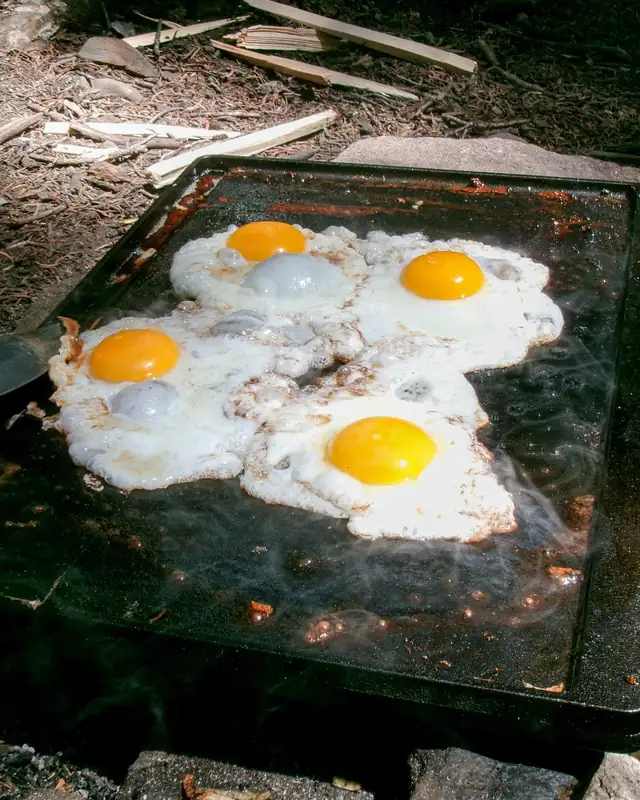
Comparison
Griddle vs Grill: What's the Difference?
Flat steel or open grates: which foods each does best, and whether you need both.
-
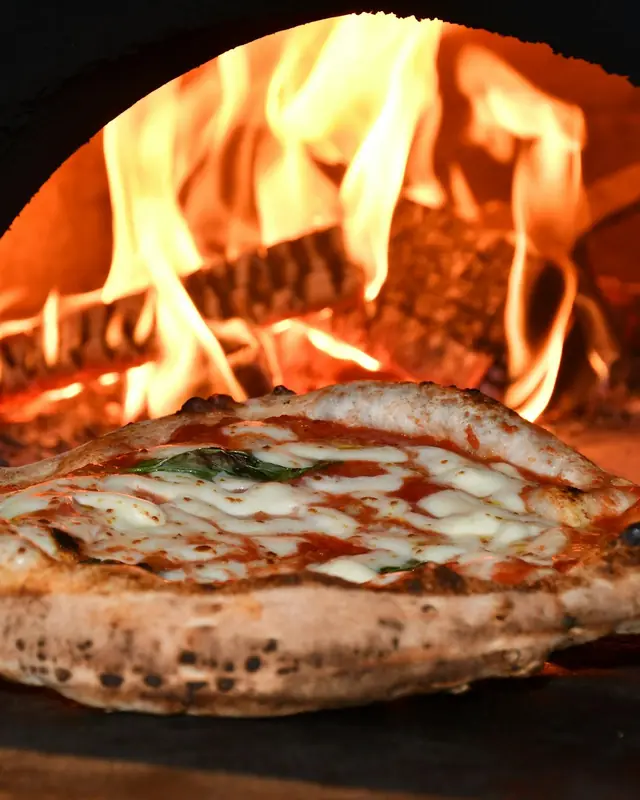
Buying guide
Best Outdoor Pizza Ovens
Gas, wood, pellet and multi-fuel ovens compared on heat, stone size and weight.
-
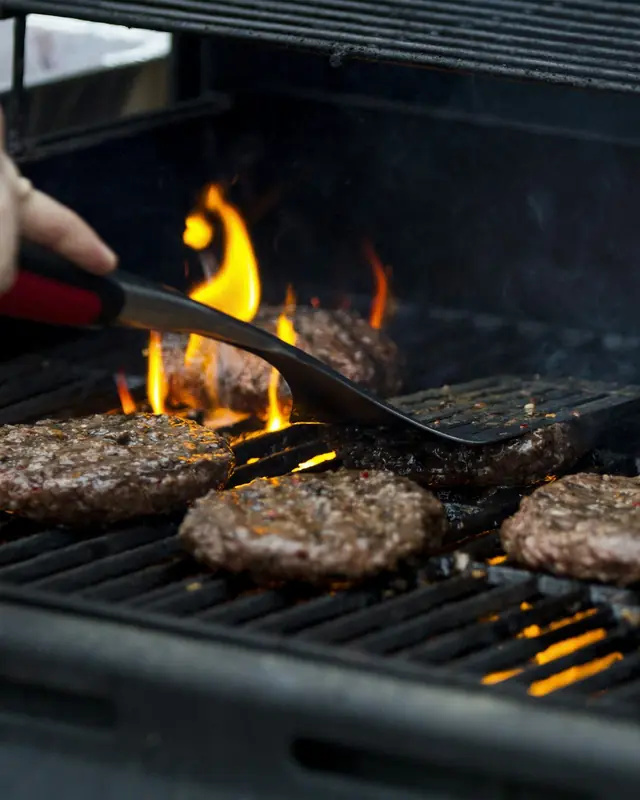
Buying guide
Best Gas Grills
Burners, cooking area, grates and warranty for propane and natural gas grills.
-
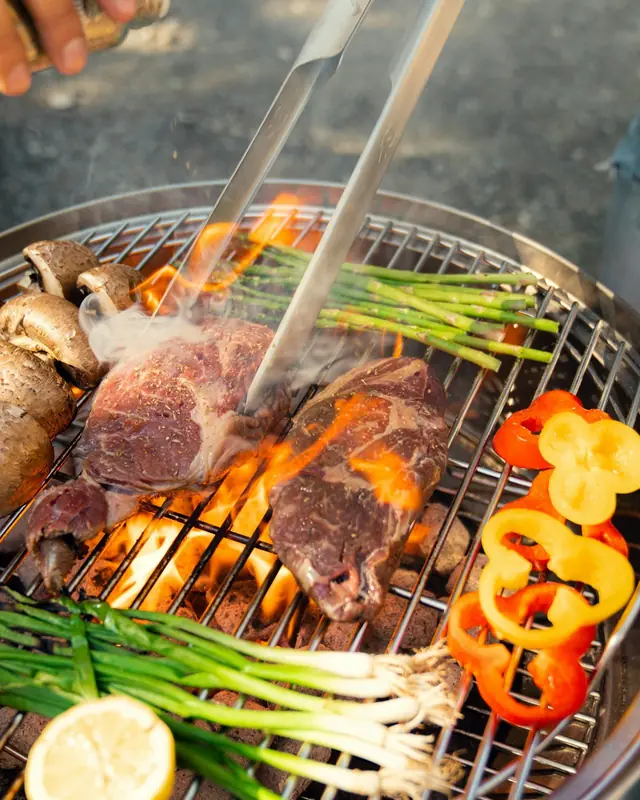
Buying guide
Best Portable Grills for Tailgating and Camping
Weight, fuel type, cooking area and setup for tailgate and camp grills.
-
Guide
How to Clean a Grill Without the Wire-Bristle Risk
A safer way to clean grates, plus grease care and a simple schedule.
-
Guide
Grilling Temperature Chart: Safe Internal Temperatures for Every Meat
The USDA numbers for every meat, poultry and seafood, with rest times.


Get the Grill-Side Card
A printable card with the USDA safe temperatures and an 8-point pre-cook safety check. It costs nothing and is sized to stick on the fridge.