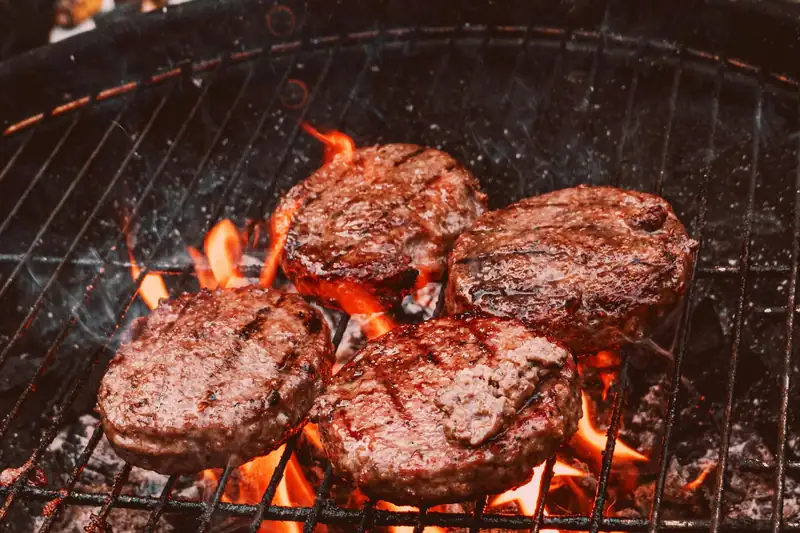
Best Charcoal Grills (Kettles and Kamados)
Charcoal gives you the hottest open fire in the backyard and the most control over smoke, at the cost of a slower start and ash to clean up. The choice is mostly between a steel kettle and a ceramic kamado, then size, airflow control and ash handling. This guide is for cooks who want real fire and do not mind a little work for it.
Jump to section
What we look for
Cooking area and grate size
grate diameter decides whether you can build a two-zone fire and still fit dinner.
Airflow control
vents and dampers are the only thermostat a charcoal grill has.
Ash management
an easy ash system means you clean out the grill instead of putting it off.
Lid fit and thermometer
a tight lid holds heat and smoke; a lid thermometer gives you a rough read of the air temperature.
Material: steel or ceramic
steel kettles are lighter and cheaper to move; ceramic kamados hold heat for long cooks.
Portability
small kettles and tabletop models travel; kamados mostly stay put.
- Sources: manufacturer product pages, manuals and warranty terms, plus NFPA, CPSC and USDA FSIS guidance on lighting charcoal, carbon monoxide and ash disposal.
How to choose the right charcoal grill
Start with steel versus ceramic, then size, then the details. If you are still deciding between fuels, read charcoal vs gas grill.
Cooking area and grate size
A charcoal grill works best with two zones: coals banked on one side for searing, nothing under the other side for gentle cooking. That needs room. Compare cooking area and grate diameter, and picture your biggest regular cook with half the grate reserved for indirect heat.
Airflow control
Bottom vents feed air to the coals and top vents let heat and smoke out. More precise vents make it easier to hold a low temperature. Kamados are known for their tight seals; kettles depend on well-fitting lids and vents. Check the vent count and design in the spec table and the manual's lighting instructions. Write down where the vents sit when you reach your target temperature, so the next cook starts from a known setting.
Ash management
Look for a removable ash catcher or a sweep system. Ash disposal also has a safety side: NFPA advises letting coals cool completely and putting them in a metal container with a lid (NFPA via ANSI), and Massachusetts advises 48 hours of cooling, or soaking the ashes in water first (Mass.gov).
Lid fit and thermometer
A built-in lid thermometer reads the air near the dome, not the food. For food safety you still need a separate food thermometer: see our meat thermometer guide. Open the lid as little as you can during a long cook, because every peek lets heat and smoke escape.
Material: steel or ceramic
Ceramic kamados are heavy and need a sturdy stand or cart, but they hold heat with little fuel. Porcelain-enamelled steel kettles are light, fast to heat and easy to replace parts on. Check the listed weight before you plan to move it around the yard.
Portability
If you want one charcoal grill for the patio and tailgates, look at weight, folding legs and a lid lock. For a dedicated travel grill, see our portable grill guide.
Tips for using your charcoal grill
- Light charcoal with a chimney starter and newspaper, or an electric starter; if you use fluid, use only charcoal starter fluid and never add it to a lit fire (NFPA via CT.gov).
- Wait for the coals to turn red hot with gray ash, about 10 to 20 minutes, before cooking (USDA FSIS).
- Never use a charcoal grill indoors, in a garage or in a tent: burning charcoal produces carbon monoxide (CPSC).
- Set the grill well away from the house, deck railings, eaves and overhanging branches (NFPA via ANSI). Our grill safety guide covers placement and the rest of the rules.
- Keep children and pets at least three feet from the grilling area (NFPA via ANSI).
FAQ
What's the safest way to light charcoal?
A chimney starter with newspaper, or an electric starter, is what NFPA suggests. If you use fluid, only charcoal starter fluid belongs on the coals, and never on a fire that is already burning (NFPA via CT.gov).
How do I dispose of charcoal ashes?
Give the coals time to cool completely, then move them into a metal container. Massachusetts suggests 48 hours of cooling, or a thorough soak in water first (NFPA via CT.gov; Mass.gov).
Can I use a charcoal grill in a garage or tent?
Never. Charcoal gives off carbon monoxide, and CPSC warns against using it to cook or heat anywhere enclosed (CPSC).
How long does charcoal take to be ready?
FSIS says the coals are ready once they are red hot and covered in gray ash, which takes roughly 10 to 20 minutes (USDA FSIS).
Related
-
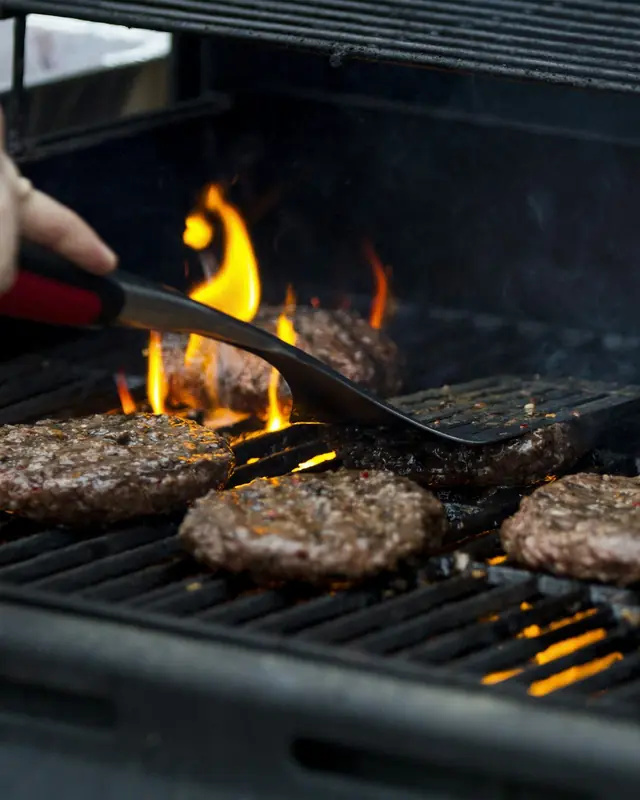
Buying guide
Best Gas Grills
Burners, cooking area, grates and warranty for propane and natural gas grills.
-
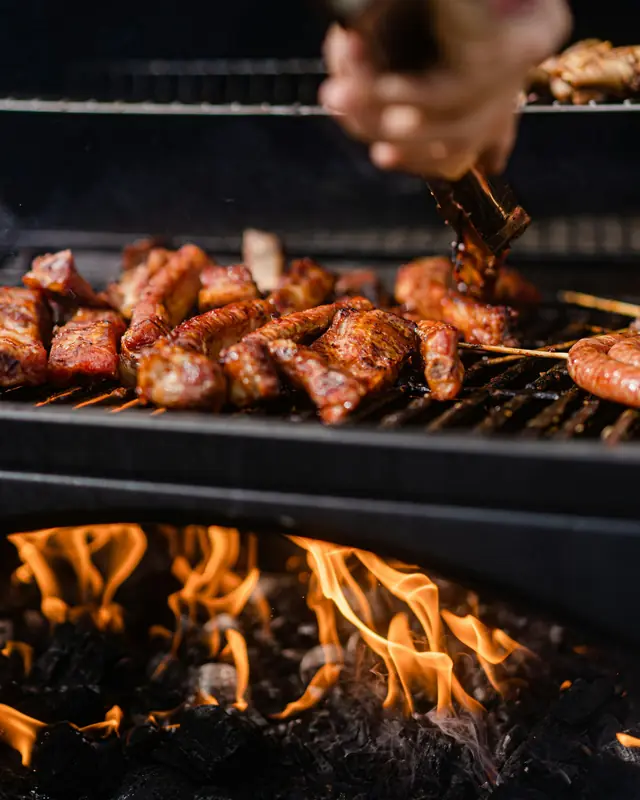
Comparison
Charcoal vs Gas Grill: Flavor, Cost and Convenience
Live-fire flavor and high heat, or push-button convenience.
-
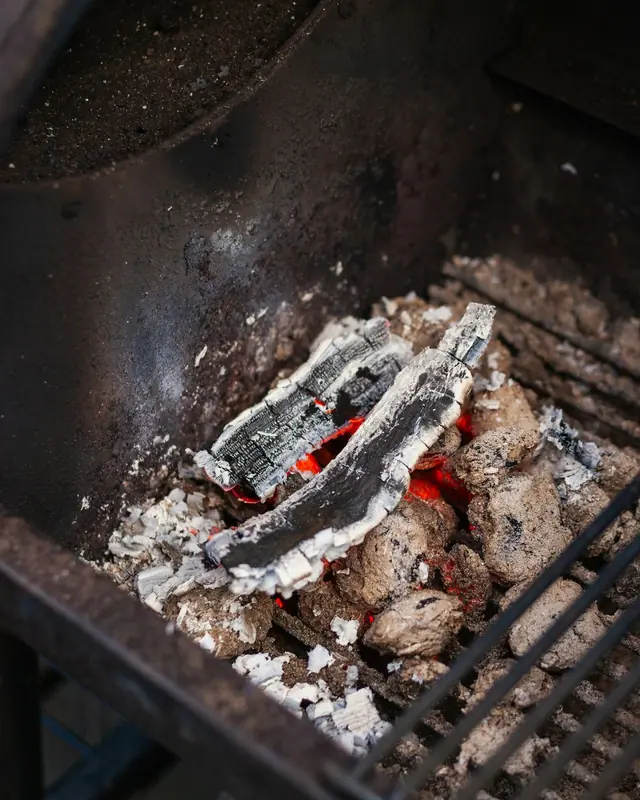
Buying guide
Best Smokers for Every Budget
Offset, vertical, electric and pellet smokers, matched to how much you want to tend the fire.
-
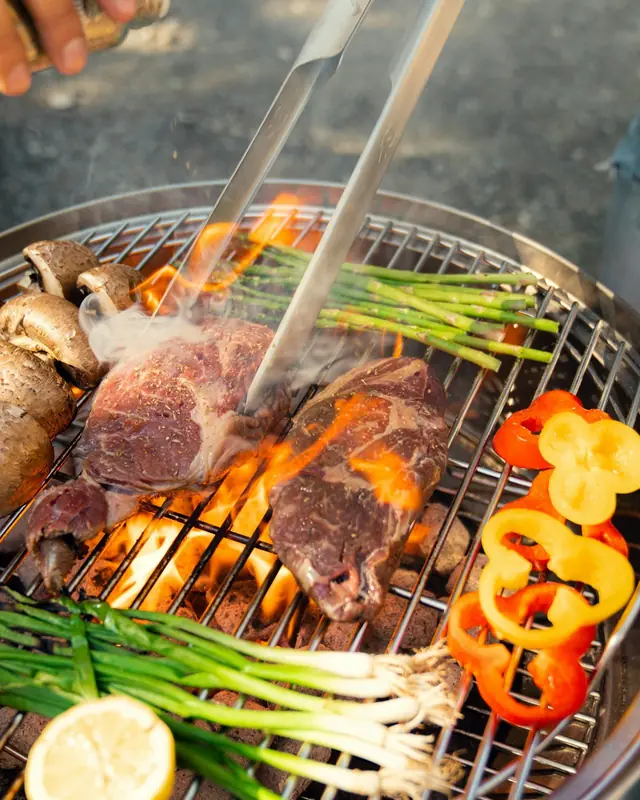
Buying guide
Best Portable Grills for Tailgating and Camping
Weight, fuel type, cooking area and setup for tailgate and camp grills.
-
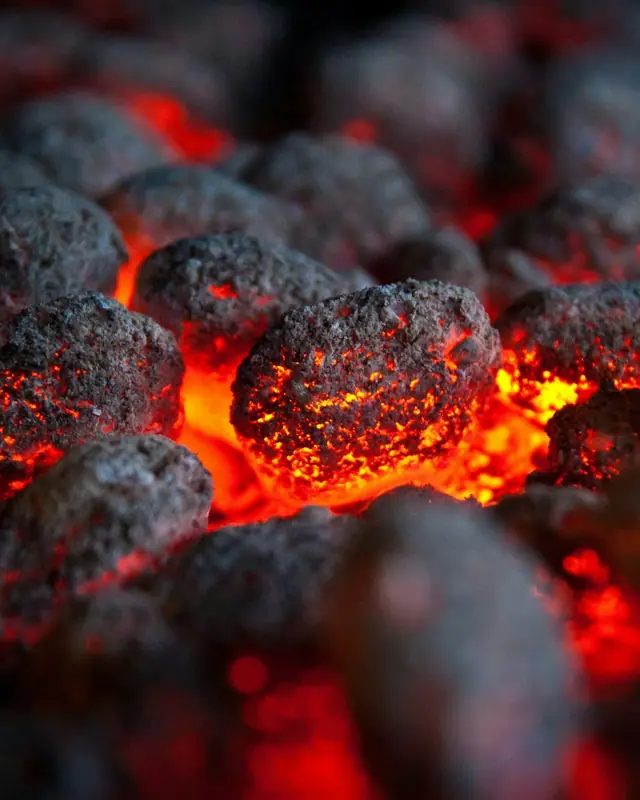
Guide
Grill Safety: Placement, Propane Checks and Charcoal Rules
Placement, the propane leak test, charcoal rules and carbon monoxide.
-
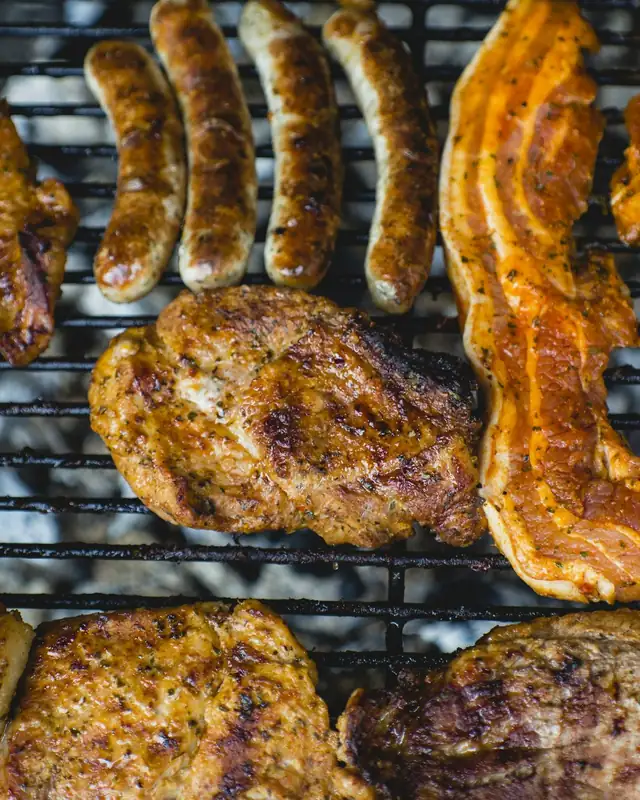
Guide
Grilling Temperature Chart: Safe Internal Temperatures for Every Meat
The USDA numbers for every meat, poultry and seafood, with rest times.


Get the Grill-Side Card
A printable card with the USDA safe temperatures and an 8-point pre-cook safety check. It costs nothing and is sized to stick on the fridge.